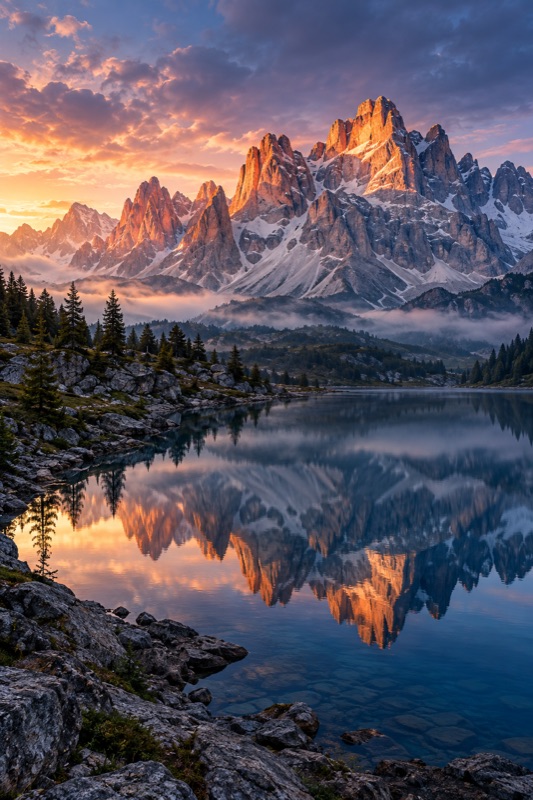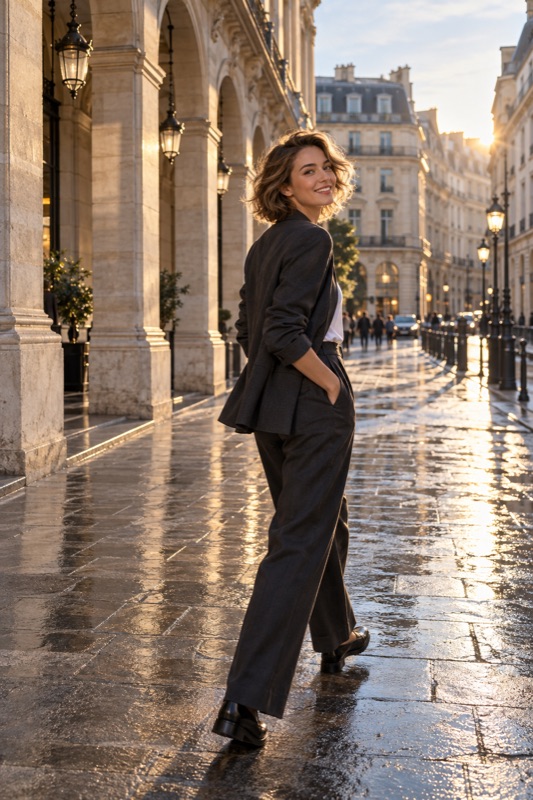
Arrive before the low evening light you want, choose a clear background, and test how the face looks with the sun in front, beside, and behind your subject. Keep your first successful framing simple, inspect a saved photo, and adapt as the light changes.
Get it on Google PlayPlan for the light you can actually see
Golden hour describes the warm, low sunlight around sunrise or sunset; it is not a promise of exactly sixty useful minutes. Buildings, hills, cloud and season affect what reaches your location. Check the local sunset time, but arrive with enough margin to find a position and make a test photo before the light disappears behind an obstacle.
Choose one primary location and a nearby alternative. A distant scenic spot is less useful if you spend the available light searching for parking or a clear background. Agree on a short portrait session so the evening remains enjoyable for the person being photographed.
Compare three directions, then commit
Make three quick test frames without changing the pose: light approaching the face, light from the side, and light behind the subject. Compare the face, not just the warm background. Your preferred direction may change with the brightness of the sun and the person's comfort.
The Nikon article on shooting in sunshine demonstrates that exposing for a face and exposing for a silhouette are different creative choices. For a recognizable portrait, decide that the face matters before trying to preserve every color in the sky. Keep a silhouette as a separate idea, not an accidental failed portrait.
Keep the glow without losing the person
If the frame looks hazy, move a little sideways so the brightest light is just outside the picture or partly hidden by an existing feature. Clean the lens before assuming that every streak is an artistic effect. Compare the saved image with and without the haze; keep it only if it contributes to the picture you want.
Start with automatic white balance. The warmth may already be visible without a strong filter. If the face looks unnaturally orange, compare a more neutral treatment instead of adding more warmth. Preserve a version without heavy editing so you can make the decision later.
An illustrative fifteen-minute session
Imagine photographing your partner beside a riverside path. First choose a place where the background is simple and both of you can stand comfortably. Use the first few minutes for a still portrait and an outfit photo. Once one frame works, try a glance toward the water and a paused step, keeping the light direction similar.
As the sun drops behind a building, check a fresh saved frame. If moving pictures become blurred, return to a still pose or move to the remaining light. This is an example workflow, not a timed recipe or a tested claim that fifteen minutes produces a particular number of good photos.
- Agree on one portrait and one wider composition.
- Compare the three light directions with test frames.
- Complete the simple still portrait while the light works.
- Add a small movement only after checking sharpness.
- Recheck exposure when the sun or cloud changes.
Stop chasing the clock and keep the useful result
Review the best frame before moving locations. Check that the eyes are sharp, the face is visible, and the background does not cut awkwardly through the head. A successful portrait made slightly earlier is more useful than arriving at the perfect sunset minute without a workable composition.
ShotCoach AI can provide framing direction and adjust supported camera controls during the session. AI guidance is paid, available controls depend on your phone, and you still choose the expression and press the shutter. Let the app support a clear idea rather than interrupting every moment to seek another suggestion.
Before your next photo walk
Is golden hour always better than cloudy weather for portraits?
No. Golden sunlight creates a particular warm look, while cloud can make lighting easier to manage. Choose the conditions that suit your portrait and your subject's comfort.
Should I put the sun directly behind the person's head?
You can try it, but compare slightly different positions. Direct light into the lens may create haze, and the face can remain dark. Keep the placement that gives the balance you want.
ShotCoach AI
Make your next sunset session easier to frame with ShotCoach AI for Android. AI guidance is paid; you tap the shutter.
Get it on Google PlayAvailable for Android · AI guidance is paid